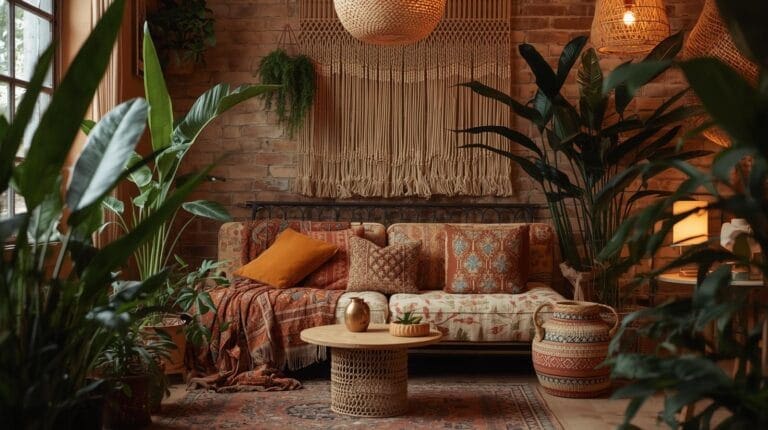
Small Space Dorm Bedding Ideas That Make Girls Hostel Rooms Feel Designer Made
Moving into a dorm or girls hostel room often feels like being handed a blank shoebox and being asked to turn it into a home. The room is small, storage is limited, furniture is basic, and personality is usually missing completely. Yet with smart bedding choices and thoughtful styling, even the smallest hostel room can feel warm, inviting, and surprisingly luxurious.
Student housing trends show that over 72% of students consider room comfort important for reducing stress and improving academic focus. Sleep studies also consistently show that a comfortable sleeping environment contributes to better rest, concentration, and mood throughout the day.
Your bed becomes more than a place to sleep. It becomes your study corner, movie seat, coffee spot, reading nook, and safe space after long classes.
Think of your bed as the headquarters of your dorm life. Everything else in the room revolves around it.
Layered Neutral Bedding for a Hotel Inspired Hostel Room

The quickest way to upgrade a basic hostel room is by upgrading the bedding.
Most dorm rooms come with plain mattresses and simple sheets that feel more practical than personal. Layered bedding instantly changes the atmosphere.
Why it works
Multiple layers create visual softness while making the bed look larger and more luxurious.
Tips
- Use two or three matching neutral shades.
- Choose breathable cotton fabrics.
- Add one accent color for personality.
- Mix textures rather than patterns.
Steps
- Start with fitted sheets.
- Add a duvet or comforter.
- Layer a throw blanket.
- Add decorative cushions.
- Finish with a textured throw.
Cost
- Budget setup: $40 to $80
- Mid-range setup: $80 to $180
- Premium setup: $180 to $350
Pros
- Creates luxury hotel feeling.
- Makes small rooms feel expensive.
- Improves comfort significantly.
Cons
- Requires occasional washing.
- Decorative pillows need storage at night.
Layered bedding works like winter clothing. One layer keeps you warm, but several layers create comfort.
Sage Green Bedding for a Calm Dorm Aesthetic

Green continues to dominate student room trends because it feels fresh without being distracting.
Why it works
Green tones reduce visual stress and create a calming atmosphere.
Tips
- Pair sage green with cream bedding.
- Add wooden accessories.
- Use warm lighting nearby.
Steps
- Choose green duvet cover.
- Add cream pillow covers.
- Introduce natural textures.
- Keep decorations simple.
Cost
- $50 to $150
Pros
- Relaxing atmosphere.
- Works in every season.
- Easy to style.
Cons
- Dark greens may make rooms feel smaller.
A green bed often feels like bringing a tiny piece of nature into a concrete building.
White Bedding for a Bright and Airy Hostel Room

White bedding remains one of the most popular choices for girls hostel rooms.
Why it works
White reflects light and creates the illusion of a larger room.
Tips
- Use washable covers.
- Add beige or grey accents.
- Include textured blankets.
Steps
- Choose stain-resistant fabric.
- Add textured cushions.
- Layer with warm throws.
- Maintain regular cleaning.
Cost
- $45 to $130
Pros
- Timeless appearance.
- Makes rooms brighter.
- Matches every decor style.
Cons
- Requires frequent washing.
White bedding acts like sunlight for your room even on cloudy days.
Pink and Beige Bedding for Feminine Dorm Decor

This combination has become one of the biggest dorm trends because it balances softness with maturity.
Why it works
Soft pink creates warmth while beige prevents the room from feeling childish.
Tips
- Use dusty pink instead of bright pink.
- Pair with gold accessories.
- Keep furniture neutral.
Steps
- Select beige base bedding.
- Add pink pillows.
- Include soft blankets.
- Add metallic accents.
Cost
- $60 to $160
Pros
- Warm and welcoming.
- Pinterest-friendly aesthetic.
- Easy to personalize.
Cons
- Too much pink can overwhelm small spaces.
Boho Bedding for Creative Hostel Rooms

Boho style works especially well in shared student accommodation.
Why it works
The relaxed layering makes small rooms feel cozy rather than cramped.
Tips
- Use tassels and woven textures.
- Add cream and terracotta tones.
- Include natural materials.
Steps
- Choose patterned duvet.
- Add woven blanket.
- Introduce textured pillows.
- Finish with decorative accents.
Cost
- $70 to $200
Pros
- Highly personal style.
- Comfortable atmosphere.
- Easy to mix pieces.
Cons
- Can appear cluttered if overdone.
Minimalist Grey Bedding for Modern Girls Dorm Rooms

Grey bedding remains one of the safest and most versatile options.
Why it works
Grey feels sophisticated and matches almost everything.
Tips
- Use multiple shades of grey.
- Add white accents.
- Include wood decor pieces.
Steps
- Choose grey comforter.
- Add lighter pillows.
- Introduce texture.
- Keep accessories minimal.
Cost
- $50 to $140
Pros
- Timeless style.
- Easy maintenance.
- Modern appearance.
Cons
- Needs texture to avoid feeling cold.
Raised Bed Storage Solutions

Dorm rooms rarely provide enough storage.
Why it works
Using the space beneath the bed can double your storage capacity.
Tips
- Use labeled containers.
- Store seasonal clothing underneath.
- Keep frequently used items accessible.
Steps
- Measure bed clearance.
- Purchase storage boxes.
- Organize by category.
- Label everything clearly.
Cost
- $20 to $80
Pros
- Maximizes space.
- Reduces clutter.
- Affordable solution.
Cons
- Requires regular organization.
Under-bed storage is like finding an extra closet hidden in plain sight.
Decorative Pillows for Instant Personality

Pillows can completely change the mood of a room.
Why it works
They add color, texture, and visual interest without consuming space.
Tips
- Stick to odd numbers.
- Mix textures instead of colors.
- Avoid oversized pillows.
Steps
- Select base pillows.
- Add accent cushions.
- Mix fabrics.
- Rotate seasonally.
Cost
- $15 to $60
Pros
- Affordable update.
- Easy customization.
- Adds comfort.
Cons
- Takes up sleeping space.
Fairy Lights Around the Bed Area

Few dorm upgrades create more atmosphere than warm lighting.
Why it works
Warm light creates comfort and reduces harsh overhead lighting.
Tips
- Choose warm white lights.
- Secure safely.
- Avoid blocking study areas.
Steps
- Plan placement.
- Attach hooks.
- Install lights.
- Test brightness.
Cost
- $10 to $30
Pros
- Cozy atmosphere.
- Budget friendly.
- Easy installation.
Cons
- Requires power outlet access.
Fairy lights act like tiny stars visiting your room every evening.
Canopy Curtains for Privacy in Shared Rooms

Privacy is valuable in shared accommodation.
Why it works
Curtains create personal space without permanent changes.
Tips
- Use light fabrics.
- Match bedding colors.
- Ensure airflow remains good.
Steps
- Install hooks.
- Hang curtain panels.
- Adjust height.
- Secure safely.
Cost
- $25 to $90
Pros
- More privacy.
- Cozy appearance.
- Reduces distractions.
Cons
- May make small rooms feel smaller.
Bedside Caddies Instead of Bulky Tables

Space-saving furniture wins in dorm rooms.
Why it works
Bedside caddies hold essentials without consuming floor space.
Tips
- Keep chargers nearby.
- Store books and glasses.
- Choose washable fabric versions.
Steps
- Attach caddy.
- Organize essentials.
- Remove unnecessary items.
- Maintain weekly.
Cost
- $10 to $25
Pros
- Saves space.
- Affordable.
- Convenient.
Cons
- Limited storage capacity.
Matching Bedding with Roommate Colors

Shared spaces work better when visual chaos is reduced.
Why it works
Coordinated colors make rooms appear larger and calmer.
Tips
- Choose complementary shades.
- Avoid identical styles.
- Discuss themes together.
Steps
- Decide color palette.
- Purchase matching pieces.
- Coordinate decorations.
- Adjust over time.
Cost
- Varies based on choices.
Pros
- Better room appearance.
- Creates harmony.
- Reduces clutter feeling.
Cons
- Requires compromise.
Seasonal Bedding Rotation

Changing bedding with seasons keeps rooms fresh.
Why it works
Different fabrics improve comfort and temperature regulation.
Tips
- Use cotton in summer.
- Use fleece in winter.
- Store off-season items neatly.
Steps
- Separate seasonal bedding.
- Store properly.
- Rotate every few months.
- Wash before reuse.
Cost
- $50 to $150 annually.
Pros
- Better sleep quality.
- Fresh appearance.
- Longer bedding life.
Cons
- Requires storage space
What bedding size do most girls hostels use?
Most dorms use twin or twin XL mattresses, but always measure before purchasing.
What color bedding makes a dorm room look bigger?
White, beige, light grey, and sage green usually make rooms feel more spacious.
How many pillows should a dorm bed have?
Two sleeping pillows and two decorative cushions usually provide the best balance.
What is the best fabric for hostel bedding?
Cotton and microfiber blends offer comfort, durability, and easy maintenance.
How can I make my dorm room feel expensive on a budget?
Focus on layered bedding, warm lighting, coordinated colors, and storage organization.
Is expensive bedding worth buying for a hostel room?
Mid-range bedding usually offers the best balance between comfort and value.
A girls hostel room may be temporary, but comfort should never be temporary. A thoughtfully designed bed turns a standard dorm room into a personal retreat where studying feels easier, resting feels deeper, and coming home after a long day feels genuinely good.